
If you plan to plant tall fescue this fall decide which variety you want to grow and get your seed ordered as soon as you decide what you want to plant. For information on the commercial varieties available and a list of certified dealers visit http://www.grasslandrenewal.com
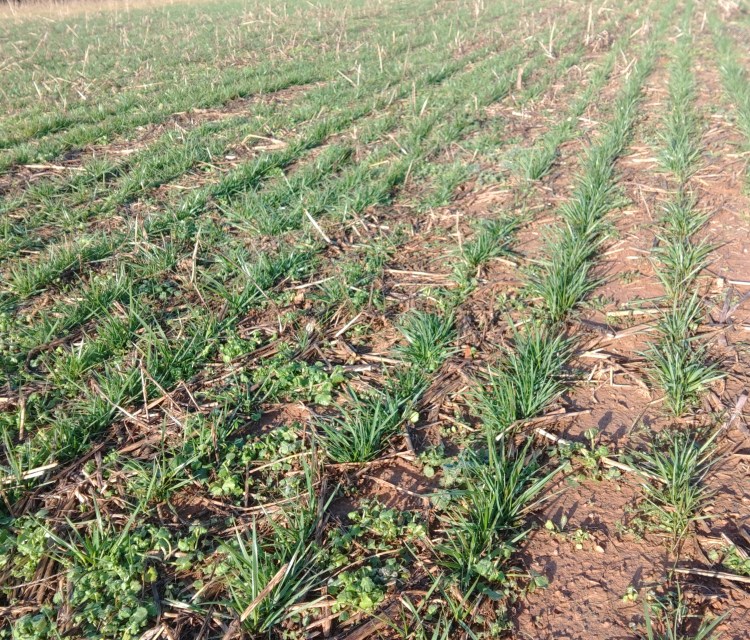
If you plan to plant tall fescue this fall and have not soil tested, get samples immediately and plan on liming and fertilizing before planting. Follow your renovation calendar carefully and apply glyphosate on the optimal date for your renovation strategy. If you plan to use “Spray-Smother-Spray-Plant” and have not planted your summer annual yet, consider switching to the “Spray-Wait-Spray-Plant” system.
By June, most tall fescue tillers that produced a seedhead have dropped mature seed. Any of these seeds could come up and contaminate a new seeding of tall fescue. If you planned on planting tall fescue this fall but didn’t control seedheads, continue with your plan but postpone planting fescue until next year and use a cool-season annual (but not annual ryegrass) this winter and a warm season annual next summer.
If you are just now thinking you might renovate some toxic tall fescue pasture, use glyphosate to kill the existing stand now and plant a summer annual, or wait and kill it in late summer and plant a winter annual. Follow with cool- and warm-season annuals and plan for tall fescue planting next fall.
With new stands the challenge of surviving summer is upon us. We need to make sure that any grazing from now until cooler weather comes in needs to be very light. It is the best advice to make hay or graze new stands in April and/or May and then staying off them completely during summer. A light grazing in late August can then be used to set up the fescue for high quality summer growth.
For any developing stand of cool season grass make sure to follow the principles of drought management. Namely, never overgraze any pasture, especially a new stand. Instead, if you have no grass ready to be grazed then move the cattle to a sacrifice area where they can be fed hay until rains return. Farmers that practice this approach find that a few weeks after a good rain their fields will recover quickly. It is looking like a dry summer across the fescue belt, so be especially conscious of your new stands.
 The Alliance for Grassland Renewal