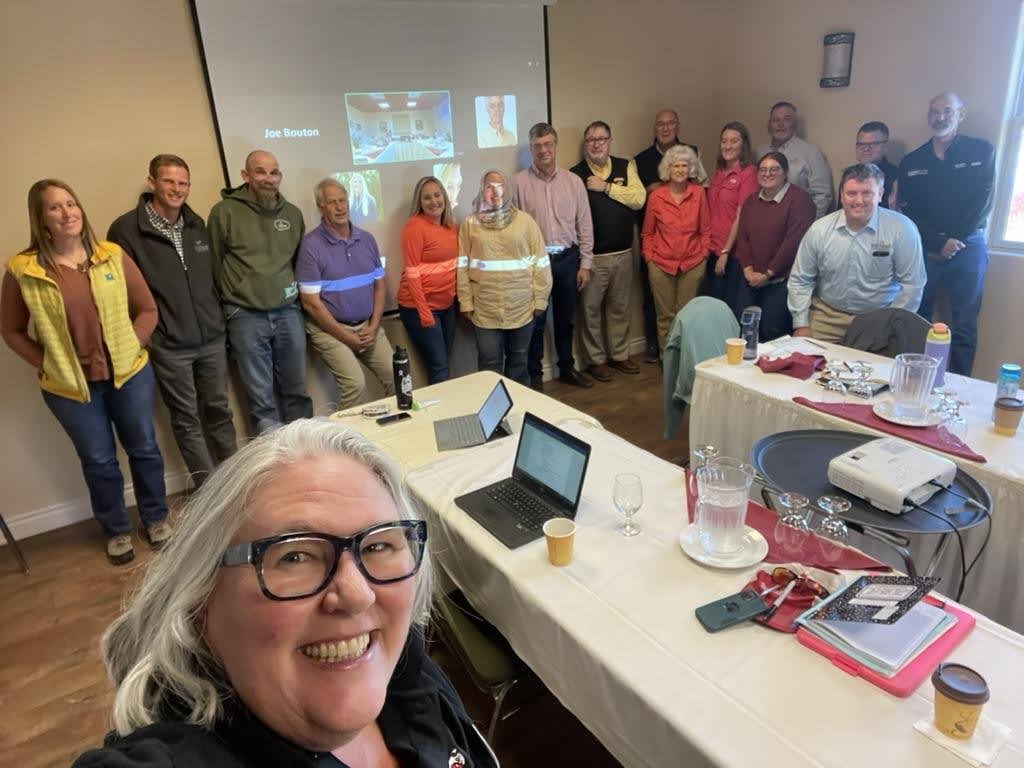
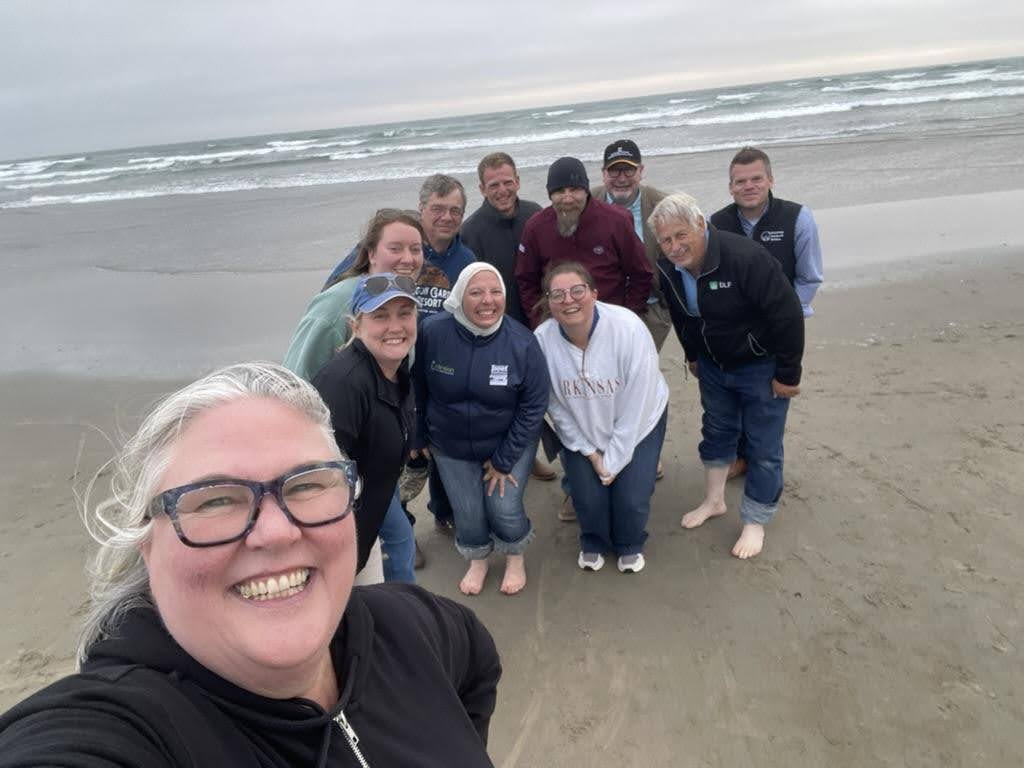
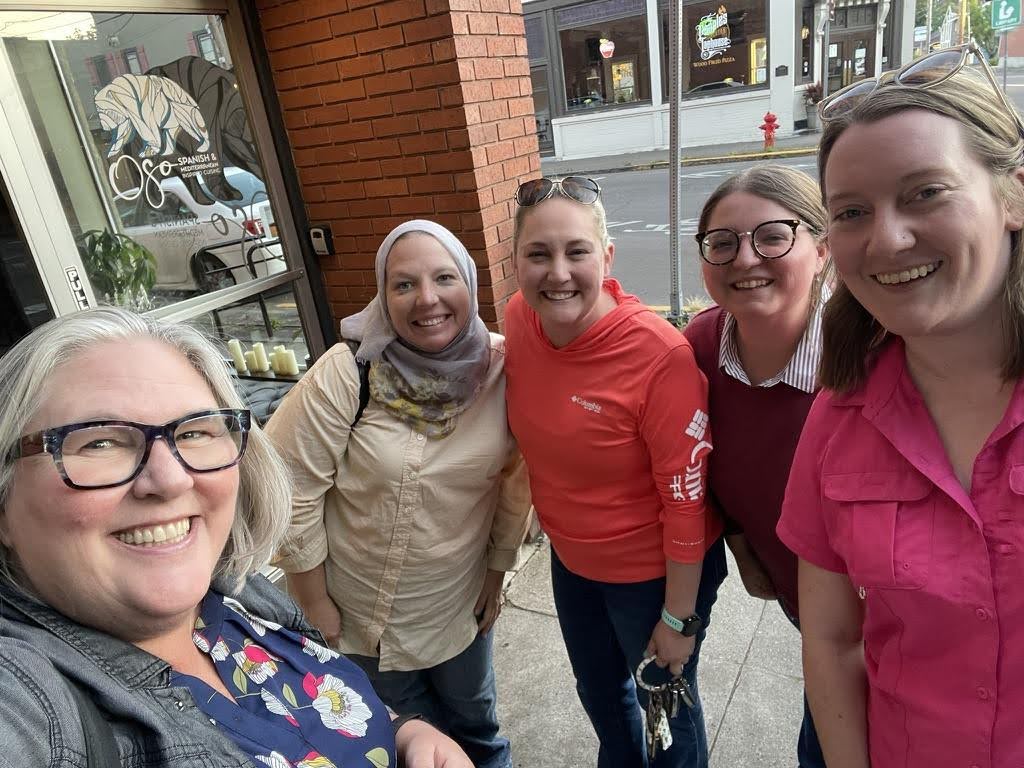
Last month, a group of Alliance for Grassland Renewal members celebrated National Forage Week in Oregon to learn more about what it takes to deliver high-quality fescue seed to farmers and ranchers seeking solutions to fescue toxicosis. This trip made us look back at our beginnings in 2012 when Craig Roberts (now retired Professor and Extension Program Director, University of Missouri) brought together representatives from Barenbrug USA, DLF Trifolium, Mountain View Seeds, and Pennington Seed in Osage Beach, MO. The goal was to form an alliance to promote the use of novel endophyte-infected tall fescue to eliminate fescue toxicosis. This initiative led to the creation of The Alliance for Grassland Renewal, which remains active today with the involvement of 7 states.



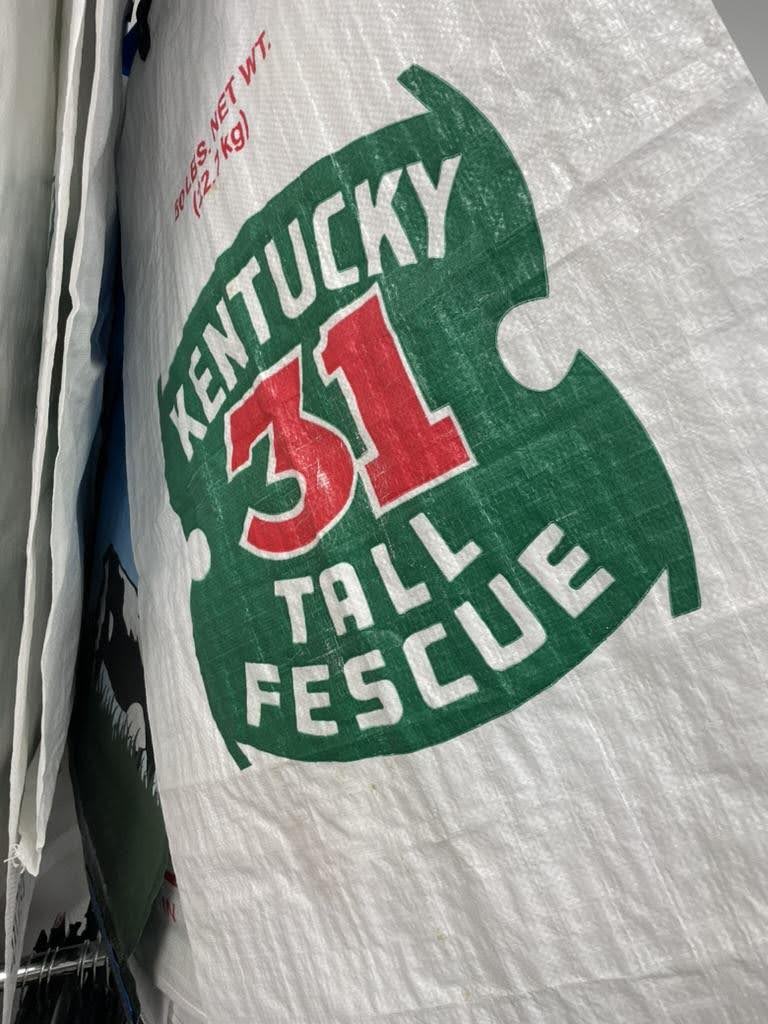

Although this group originated in Missouri, fescue-related issues are not confined to Missouri but are widespread across the eastern USA where fescue is prevalent. Fescue is a valuable forage grass, native to Europe, that became prominent in the USA starting in the1940s when KY31 was released. Fescue helped stabilize the land, showed drought tolerance and was palatable to livestock. As a long-lived perennial, it has roots in the ground all year-round, and it endures for many years. Stories from farmers highlight how fescue saved their family farms by providing erosion control and forage for cattle in the 1940s and 50s.
Many are familiar with the problems fescue can cause grazing animals, such as fescue foot, low reproduction rates, rough hair coats, and summer slump. Some may wonder if the investment in replacing old fescue stands is worth it. Consider KY31 fescue as the old technology that provided excellent erosion control but became outdated. With the discovery of the endophyte, we understood why some fescue was toxic to livestock and identified endophytes that eliminated that toxicity. The next generation of fescue, called novel endophyte-infected tall fescue, helps with persistence without causing toxicity to grazing animals. This new technology is available in commercially sold varieties (check out this comparison of commercially available novel endophyte tall fescue forage varieties).
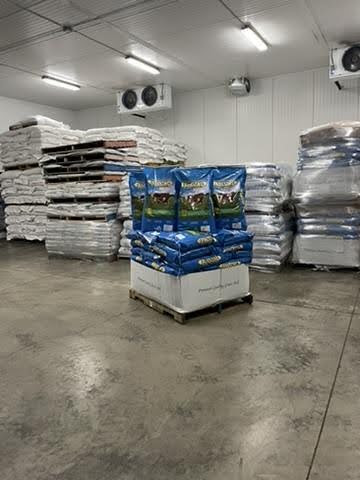
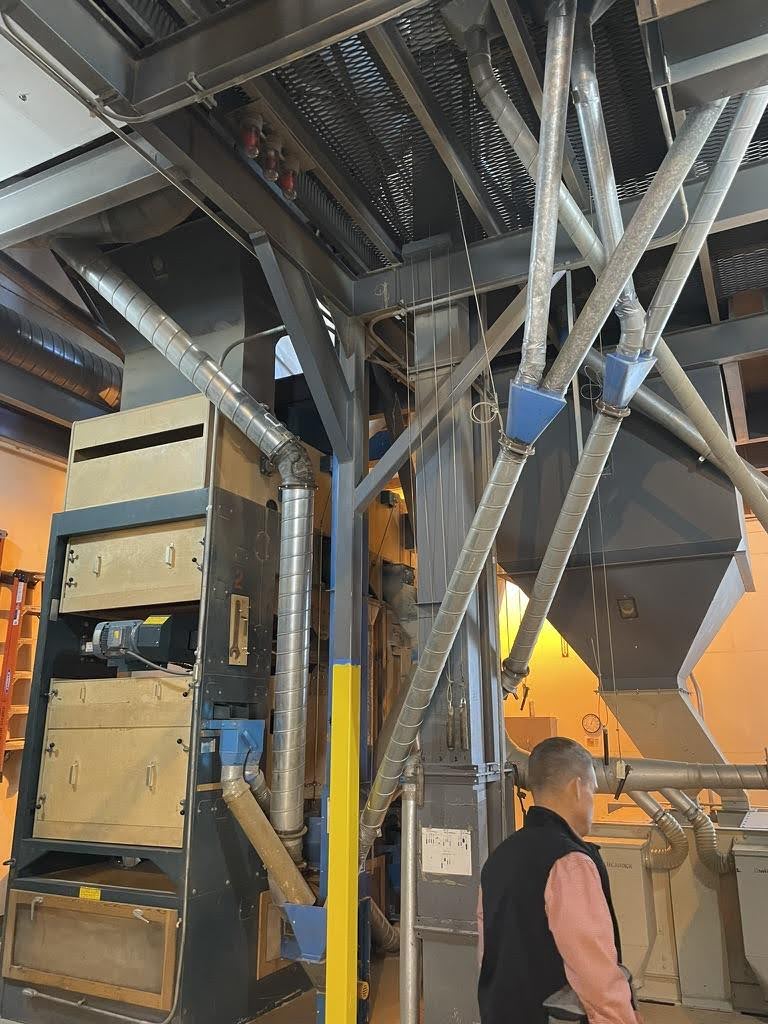
In Oregon, our goal was to learn what it takes to get a bag of seed on the shelves and into the hands of farmers. We visited seed companies, saw seed production fields, harvest machinery, learned about fescue breeding programs, and observed seed being cleaned, packaged, and certified.
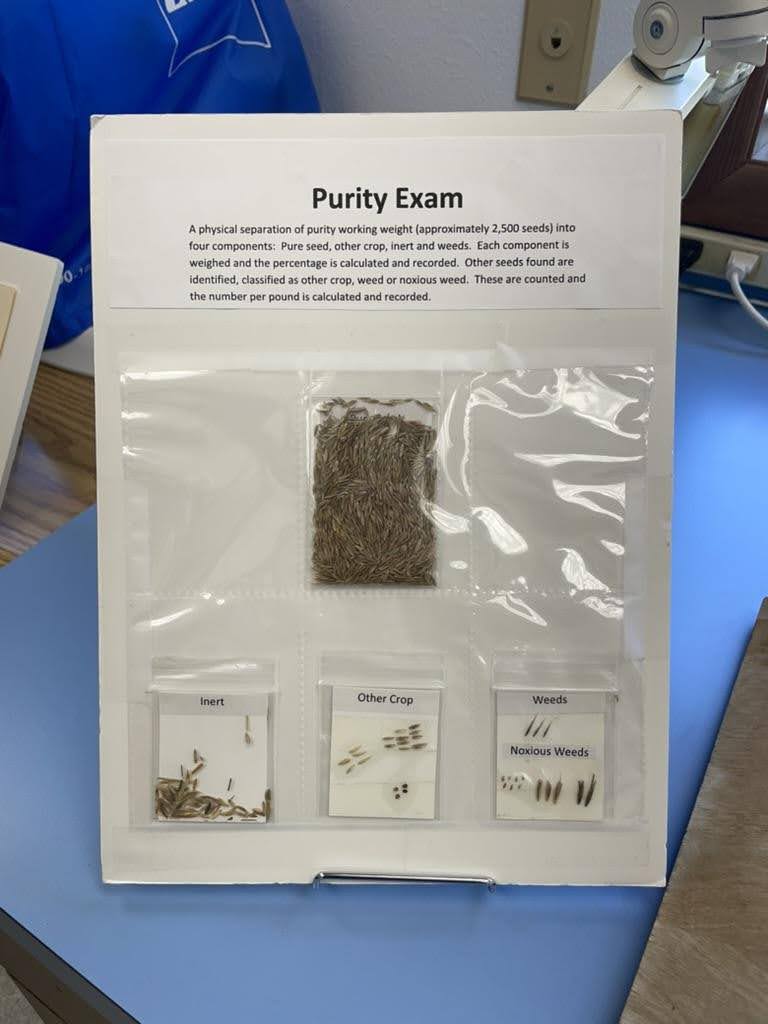
Seed certification is crucial as it ensures varietal purity, guaranteeing that farmers receive what they paid for. Labs that test the seed are part of the Association of Official Seed Certifying Agencies, which standardizes processes and results in the official blue certified seed tag that states the seeds meet State, Federal, and International seed law requirements. We visited with an Oregon Department of Agriculture field inspector and a lab that certifies seed to understand this process. Throughout the growing season, fields are inspected for weeds, and once cleaned, seed samples are taken to a lab for certification. At the lab, seed samples are visually inspected for off-type seeds, germination is tested for viable seed, and other tests are performed. However, endophyte information is not included in these tests. The Alliance for Grassland Renewal has established additional steps to guarantee endophyte quality, ensuring the endophyte is present, viable, and does not produce ergot alkaloids.
This trip to Oregon underscored the importance of each step in the seed production and certification process, ensuring high-quality, safe, and effective fescue seeds reach farmers. The commitment and collaboration of all involved continue to advance the field of forage grass,
benefiting both livestock and land. A bonus was the time we got to spend together enjoying our mutual love of forages.
If you want to read more about fescues humble beginnings in the USA check out The Wonder Grass by Ball, Lacefield and Hoveland (assessable here).
~ Carolyn Young, North Carolina State University
The Alliance for Grassland Renewal is a national organization focused on enhancing the appropriate adoption of novel endophyte tall fescue technology through education, incentives, self-regulation and promotion. For more resources or to learn more about the Alliance for Grassland Renewal, go to www.grasslandrenewal.org
 The Alliance for Grassland Renewal