
Farmers across the tall fescue belt periodically renovate pastures to improve forage production, and in some cases to convert toxic tall fescue to novel endophyte tall fescue. It is important to provide good management to these new stands during the first two years following planting which are considered the establishment phase of a new stand. These suggestions are intended to help farmers get the most out of their pasture renovation efforts. It is important for farmers to remember that new stands are sensitive to overgrazing and encroachment of weedy species, and steps should be taken to reduce those impacts.
New stands of tall fescue planted in the autumn of 2024 should be scouted now in preparation for spraying and fertility management. If substantial numbers of weed seedlings are found, plan to spray an herbicide as soon as the weather warms. In general, spraying when the high temperature has been at least 60 for three days and is expected to stay in the 60s for the next few days. This usually comes in February in southern areas and March in more northern locations, and you should be ready to take advantage of that perfect day. The tall fescue seedlings should be at least in the 4 leaf stage, and preferable tillering. This should be the case already for almost all plantings except those planted very late.
Make sure the herbicide selected is labeled for use on newly established tall fescue pastures, and that it is effective against the species present. If most weeds are common winter annuals then a broad spectrum herbicide like Weedmaster or generic versions (2-4 D and dicamba) might be adequate. If tough to control weed species are found, then an herbicide with residual activity might be called for. Make sure you get advice from someone that knows these herbicides and always follow the label directions.
New stands should be fertilized in the spring, with at least 50 lbs of nitrogen added. If the field was not fertilized with phosphorus and potassium in the Autumn, use a complete fertilizer to provide some of those nutrients. Remember that if you plan on taking off a cutting of hay it is important to add back the soil nutrients removed to maintain a heathy stand. Each ton of hay will remove approximately 40 lbs of nitrogen, 15 lbs of phosphate and 40 lbs of potash. Early fertilization with nitrogen will boost yield and help the tall fescue develop a good level of ground cover by the time summer annual grasses germinate. Sufficient phosphorus and potash will keep the plants healthy and vigorous.
If the new stands happen to be KY-31, then be aware that the needed fertilizer will also stimulate the plant to produce a higher level of ergot alkaloid toxins. It is critical to survival of these stands to apply fertilizer so it needs to be done, but the grower needs to be aware that the resulting forage will contain elevated levels of toxins and it needs to be managed accordingly. Future management recommendations will limit fertility additions, especially nitrogen, due to the potential for high toxin levels. If the new stand is Novel Endophyte Tall Fescue then the grower can enjoy the high level of nutritious and non-toxic forage that will be produced added fertility.
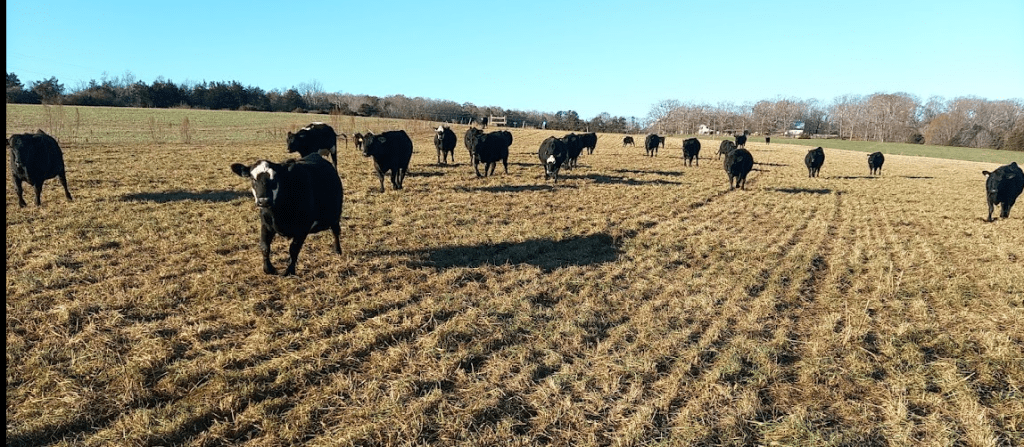
It is important to control growth of new stands without overgrazing them, or opening the stand up enough to leave bare ground where weeds can develop. If grazed, the fescue should be lightly “top-grazed” leaving a significant amount of residual. Grazing will help stimulate tillering, and can effectively create a canopy that is resilient to weed competition. These stands can be grazed several times during the first growing season as long as they are not overgrazed, and are allowed to rest at least three weeks between grazing events. If there is significant annual ryegrass present in the stand then early and frequent light grazing bouts can be very effective. Animals will seek out the ryegrass and graze it in preference to the tall fescue, strengthening the fescue stands.
If you plan on removing the first spring growth as hay, plan on cutting earlier than usual to allow the fescue time to regrow and create cover to compete with weeds. Set the cutter height as high as is practical (4 to 6 inches) to optimize regrowth, again helping with weed competition. If there is ryegrass present, make sure the hay is cut before viable seed is set to prevent an ongoing contamination problem.
Second year stands can be managed for a high levels of forage production this coming year. Fertilize with nitrogen and other nutrients to optimize growth as described above. Use rotational grazing allowing 21 to 30 days of rest between bouts. If the stand is Novel Endophyte Tall Fescue then it should be used strategically for the groups of animals with the highest requirements like developing replacement heifers or lactating first-calf heifers. Those non-toxic stands should support the performance of these animals without supplemental feed other than minerals. In contrast, if the stand is KY31 then these high producing classes of cattle need to be provided with some supplemental energy and protein to make up for the depressed forage intake experienced with toxic tall fescue. If cutting for hay, cut at the early bloom stage to optimize yield and nutritive value, and don’t cut very short (leading to scalping) to optimize stand survival.
Scout for weeds as the season progresses and be prepared to control broadleaf weeds. If you plan on turning these fields into a Tall Fescue/Clover system then getting control of broadleaves before frost seeding clover is critical.
During January, make a plan to attend a tall fescue renovation workshop provided by the Alliance for Grassland Renewal. Whether you plan on planting Novel Endophyte Tall Fescue or not, learning more about tall fescue management will help you to better use this valuable grass.
I you plan on planting tall fescue next fall try to attend one of our signature in-person workshops this spring which will be held in Tennessee (March 4) and Kentucky (March 6). These workshops will be full day events and will feature experts from across the tall fescue belt. Participants will learn about the tall fescue endophyte story, how to best manage toxic tall fescue, how to replace toxic tall fescue with novel endophyte tall fescue, and to understand how economic factors influence the return on investment on pasture renovation.
More immediately, the Alliance has an On-Line Tall Fescue Management Workshop scheduled for January 23 from 7 to 10 pm. This free on-line opportunity will allow you to learn more about the Novel Endophyte Tall Fescue technology and how it is being implemented across the tall fescue belt. There will also be many local opportunities for pasture walks and workshops across the region so stay tuned to learn more about those events. Finally, the Alliance website has many fact sheets and other information sources that will be of interest to grass farmers in the tall fescue belt.
To learn more about these and other upcoming events and to learn more about managing Tall Fescue visit www.grasslandrenewal.org.
~ Matt Poore, NC State and the Alliance for Grassland Renewal
The Alliance for Grassland Renewal is a national organization focused on enhancing the appropriate adoption of novel endophyte tall fescue technology through education, incentives, self-regulation and promotion. For more resources or to learn more about the Alliance for Grassland Renewal, go to www.grasslandrenewal.org
 The Alliance for Grassland Renewal