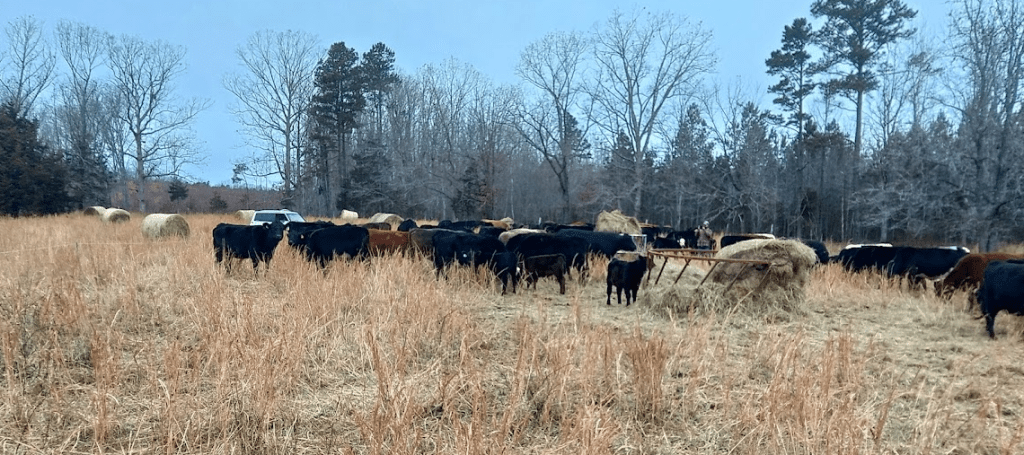
Winter has been pretty easy for us so far at Triple Creek Ranch, but we had our first significant snow fall in several years last night. We are using the Bale Grazing technique on three groups now, and have two groups grazing stockpiled tall fescue. We were ready for the snow, and we didn’t experience any challenges even all these groups are being maintained behind single-strand temporary electric fence.
Our first-calf heifer group continues to impress us with their continued great body condition and rapidly growing calves. They are grazing our 2023 planted tall fescue pasture, and we continue to monitor body condition as an indicator that we need to supplement them, but so far they have not needed it. While we don’t mind feeding hay by unrolling or bale grazing, we still far prefer grazing stockpile, so we continue to look for more land and to upgrade the forage production on the land we already have.
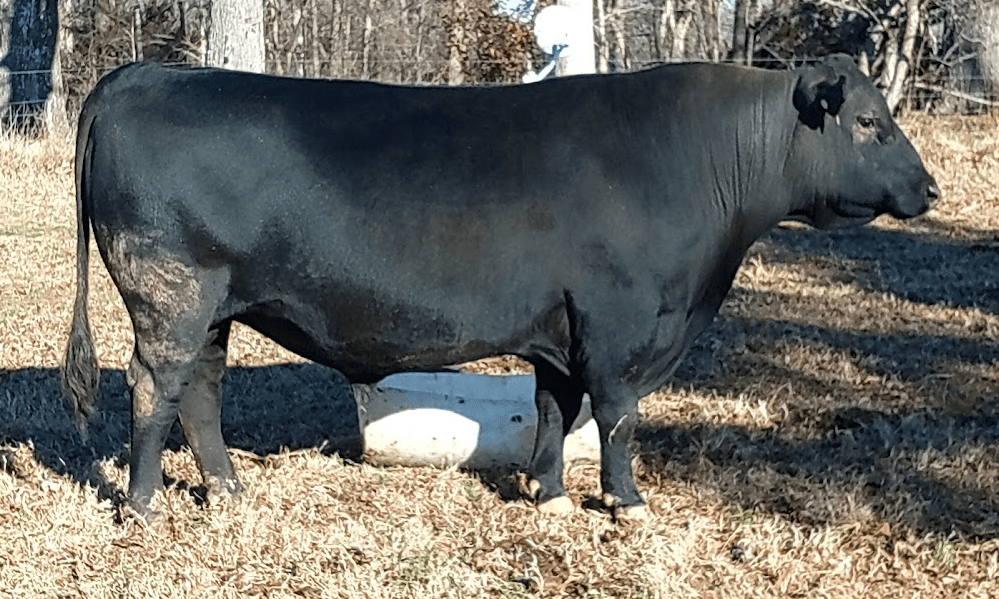
We are excited to have started the breeding season for another year. The bulls were put out January 1, and the heifers were bred with artificial insemination on January 9. Two of the bulls we are using natural service carry one copy of the “slick hair gene”, which gives them a very sleek hair coat, and also a high tolerance to heat and toxic tall fescue. “Slick” is a dominant trait, so half the calves from those two bulls will be slick, meaning we will be expecting about 30 slick calves out of 100 in next year’s calf crop. We originally got this trait from Senepol cross heifers we purchased in the 1990s and it has gradually increased in our herd. We started saving a few slick bull calves each year, and we have been pretty happy with them. Several of our neighbors have ordered one as they really do look great.
The warm and dry weather continued through December and into early January. We ended up with one of the warmest Decembers ever and that was good news for our new stands of Novel Endophyte Tall Fescue. All the stands at this point look small but very good, except for one 12-acre field that we converted using the Spray-Wait-Spray technique. Our swing from a really wet September to a brutally hot and dry October was unprecedented, and it caused especially big challenges with this particular field.
In this case, the September rains made for a lot of forage growth, so we delayed spraying until we could get it grazed off to reduce plant residue. Grazing took a few weeks, causing us to delay our first spray until early October. There is a lot of clover and KY31 tall fescue in this particular field and the cattle grazed those spots hard. Other places in the field where there is a lot of nimblewill they pretty much refuse to graze short.
After the first spray we had zero rain through late October when the second spraying was due. You could see some surviving fescue plants that were green, and a few streaks that were missed. Other than that there were no weed seedlings, grass seedlings or any other green growth visible. Due to the timeline, we had to go ahead and spray and plant the field which we did at the end of October.
We looked carefully at this field again last week. Where there was no plant residue, the stands of the novel tall fescue are up and healthy looking (although very small). Where there is plant residue more than a few inches deep there are few seedlings visible, with significant blocks where there are no fescue seedlings at all. Also, there are many annual weeds starting to germinate. We will continue to evaluate and report on this case in the future as we address how to deal with this kind of outcome. It looks to me like the nimblewill that the cattle didn’t graze off was slow to degrade after the spraying because of the dry weather. It’s fine texture effectively matted down to reduce fescue development. Also, the winter annual weed seeds in the seedbank didn’t germinate until we finally got rain after the second glyphosate application, so they will have to be sprayed again in early spring.
This is the first time we have tried this Spray-Wait-Spray method. In retrospect we could have burned off that nimblewill residue, or we could have switched to a winter annual and waited another year to plant the fescue. It is too early to tell for sure how this stand will look next spring, but our new stands planted last fall after a summer smother crop, or following conventional tillage look much better.
Finally, on a very positive note I appreciate all the feedback I had about my story about the house fire last month. We are in the process of finalizing plans for demolition and will rebuild a more functional house on the same footprint. I expect as spring comes along our new construction project along with the flush of non-toxic forage growth we know is coming will lead to a vision for a better future at Triple Creek Ranch.
~ Matt Poore, NC State and the Alliance for Grassland Renewal
The Alliance for Grassland Renewal is a national organization focused on enhancing the appropriate adoption of novel endophyte tall fescue technology through education, incentives, self-regulation and promotion. For more resources or to learn more about the Alliance for Grassland Renewal, go to www.grasslandrenewal.org
 The Alliance for Grassland Renewal