
As of today we are only 15 days away from first tall fescue planting dates in the northern tall fescue belt, and only 60 days from final optimal planting dates anywhere in the region. Make sure you have critical dates for final glyphosate spraying and planting on your calendar. If you don’t have the drill lined up get it scheduled asap. If you own a drill take time to do needed maintenance and repair, and gather supplies needed for drill calibration.
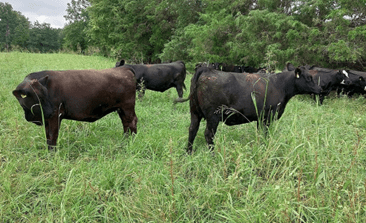
In spray-smother-spray-plant systems you should be making plans to terminate your smother crop and prepare the land for planting. Make sure you don’t leave excessive plant residue on the soil as that will hurt planting success. Apply fertilizer and lime before planting if it is called for on the soil test report.
For spray-wait-spray-plant systems the first spray needs to occur 45 days before planting, which in most cases should already be complete. Check to see how good the kill was and make note of missed spots. It is critical that these spots are sprayed when the second application is made just before planting.
The seed crop in Oregon is harvested and novel endophyte tall fescue is undergoing testing and distribution to the tall fescue belt. If you have not ordered your seed yet, order it right away! Allow several weeks for it to come in. Make sure that after you get the seed you store it in a cool dry location and don’t let it get excessively hot during transportation home. If you don’t know of a local supplier you can check our certified dealer list at http://www.grasslandrenewal.org. If you have difficulty locating seed call your extension agent or contact us through the Alliance website. Make sure you get genuine, high quality, “Novel Endophyte Tall Fescue” by looking for the Alliance for Grassland Renewal label. Don’t be misled into planting an endophyte-free variety or Kentucky-31. If you are unfamiliar with all the Novel Endophyte Tall Fescue Products available, go to the article “Comparison of Commercially Available Novel Endophyte……” found in our resource list.
If you failed to control spring seed production on a tall fescue field you want to renovate, it is not a good idea to renovate it to Novel Endophyte Tall Fescue this fall. However, don’t hesitate to kill it and plant a winter annual in preparation for planting Novel Endophyte Tall Fescue next fall. This will give you a jump on the process and you can enjoy high quality spring forage without ergot toxins.
For stands planted last year, assess their status and decide if they need any overseeding. If there are any missed areas, or weak spots consider grazing the stand once in the fall and then over-drill with more novel endophyte tall fescue or other cool season grasses. Scout for weeds and treat accordingly. Continue to graze as needed to control warm season grasses stimulated by recent wet weather across parts of the tall fescue belt. Fertilize pure fescue stands with nitrogen and other nutrients as indicated by a soil test in the next few weeks to stimulate fall growth.
~ Matt Poore, NC State and the Alliance for Grassland Renewal
The Alliance for Grassland Renewal is a national organization focused on enhancing the appropriate adoption of novel endophyte tall fescue technology through education, incentives, self-regulation and promotion. For more resources or to learn more about the Alliance for Grassland Renewal, go to www.grasslandrenewal.org
 The Alliance for Grassland Renewal