Our usual management tips for May need to be emphasized even more than usual given the drought conditions that cover most of the tall fescue belt. As of May 10, 2026 nearly all of the tall fescue belt is in drought, with most areas at D2 or worse. This is unprecedented for this time of year, so farmers need to be extra careful with their stands to maintain ground cover, and to keep from stressing plants even more.
During May farmers planning on renovating tall fescue pastures this year should control seed production. If pastures are grazed, clipping is recommended as soon as pollen is present. Clipping early will also help the grass tiller more effectively, improving the stand and forage quality. Clip at about 6 inches to get the best results. It is common for seedheads to be pushed down by the tractor tires such that heads are not 100% eliminated. If this is the case, then clip it a second time. Seedheads are short this year, but will still produce viable seed, so be diligent about this.
Removing seed heads as first cutting hay is effective as long as hay is cut in the early bloom stage or earlier. If you do cut hay, make sure you clip heads in any areas that are missed by the hay cutter. Seedhead suppression with metsulfuron containing herbicides reduces seed head numbers and improves nutritive value of the forage, but it does not completely control seed production, so you will still need to clip those pastures as well.

Photo 1. Early hay cutting is one effective way of controlling seed production.
No matter which renovation strategy you choose, all systems depend on the control of seed production in the year of planting novel endophyte tall fescue or other non-toxic forages. Controlling weed seed production is also critical, so don’t just focus on Tall Fescue, control all seed production. This is the first critical step in achieving a successful establishment next fall. One solution many producers employ is to use two years in annuals to prepare the area for novel endophyte tall fescue. This approach dramatically reduces the chance for volunteer contamination of a new novel stand with old toxic seed in the seedbank.
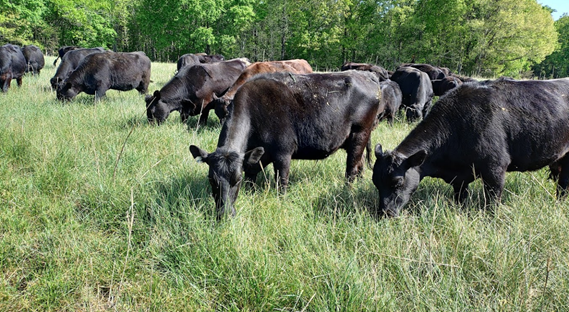
Photo 2. Grazing during the boot stage can effectively remove seedheads
May is also a good time to collect soil samples so amendments can be added in early summer. Most pastures are dry and very difficult to sample at the current time. If you get a lucky rain event, it might be an ideal time to go get those soil samples.
First-year stands need to be grazed carefully or not at all this spring. If first year-stands are very dry, it would be best to defer grazing until after rains perk up the condition of the plants. Second and third-year stands should be more tolerant of a light grazing, but care should be made not to graze shorter than 4 inches, and to avoid grazing regrowth until moist conditions do return.
If you graze KY31 (old stand) tall fescue, take time to really look at your cows. During the month of May fescue toxicosis signs are most visible. Many famers don’t really look at the cows much during May as it is so tempting to turn them out on a large pasture and forget about them while making hay, planting crops, otherwise enjoying the spring season. This year, many cows are grazing drought stressed tall fescue with seedheads and they are being moved around to minimize overgrazing. Due to the drought, there is likely less fescue leaf, less clover and fewer alternative species than are normally present at this time of year, so intake of tall fescue toxins may be more than usual. (Note; toxic fescue concentrates toxins in the seedheads, while novel fescue has no toxins, making the seedheads of novel much higher in actual nutritional value than you would think.)
Go seek out your cows during the warm part of a sunny day and ask yourself: Are they doing well? Have they started to shed or are they rough and shaggy? Are they in the shade or in the sun? Are they stuffed full of forage or do they have that empty look? Are they showing signs of heat stress or are they comfortable? If they have access to surface water are they in it? Are they muddy from laying in a mud hole?
If you can honestly say they are doing really well you probably don’t have a fescue problem. If they are not doing as well as you like there are many strategies to help them do better.
Once you have grazed through your pastures, leaving about a 4-inch residual height, most of subsequent regrowth will be vegetative, so if we do get rain soon forage quality will be improved. Until the next best paddock is at least 8 inches tall you need to be in a sacrifice pasture feeding hay until rain gives you enough grass to start about again.
Learn more about tall fescue management at www.grasslandrenewal.org
~ Matt Poore, NC State and the Alliance for Grassland Renewal
The Alliance for Grassland Renewal is a national organization focused on enhancing the appropriate adoption of novel endophyte tall fescue technology through education, incentives, self-regulation and promotion. For more resources or to learn more about the Alliance for Grassland Renewal, go to www.grasslandrenewal.org

